Why Casual Games are the Future of Indie Games: A New Era of Accessible Fun
The gaming industry is rapidly evolving, and with it comes a surge in the popularity of casual games. These lightweight experiences are becoming more than just a trend; they're paving the way for the future of indie games. With a blend of accessibility and entertainment, casual games appeal to a wide array of audiences, from seasoned players to newcomers. This article explores why casual games represent the future of indie games, delving into the characteristics, benefits, and reasons behind their rising prominence.
The Rise of Casual Gaming
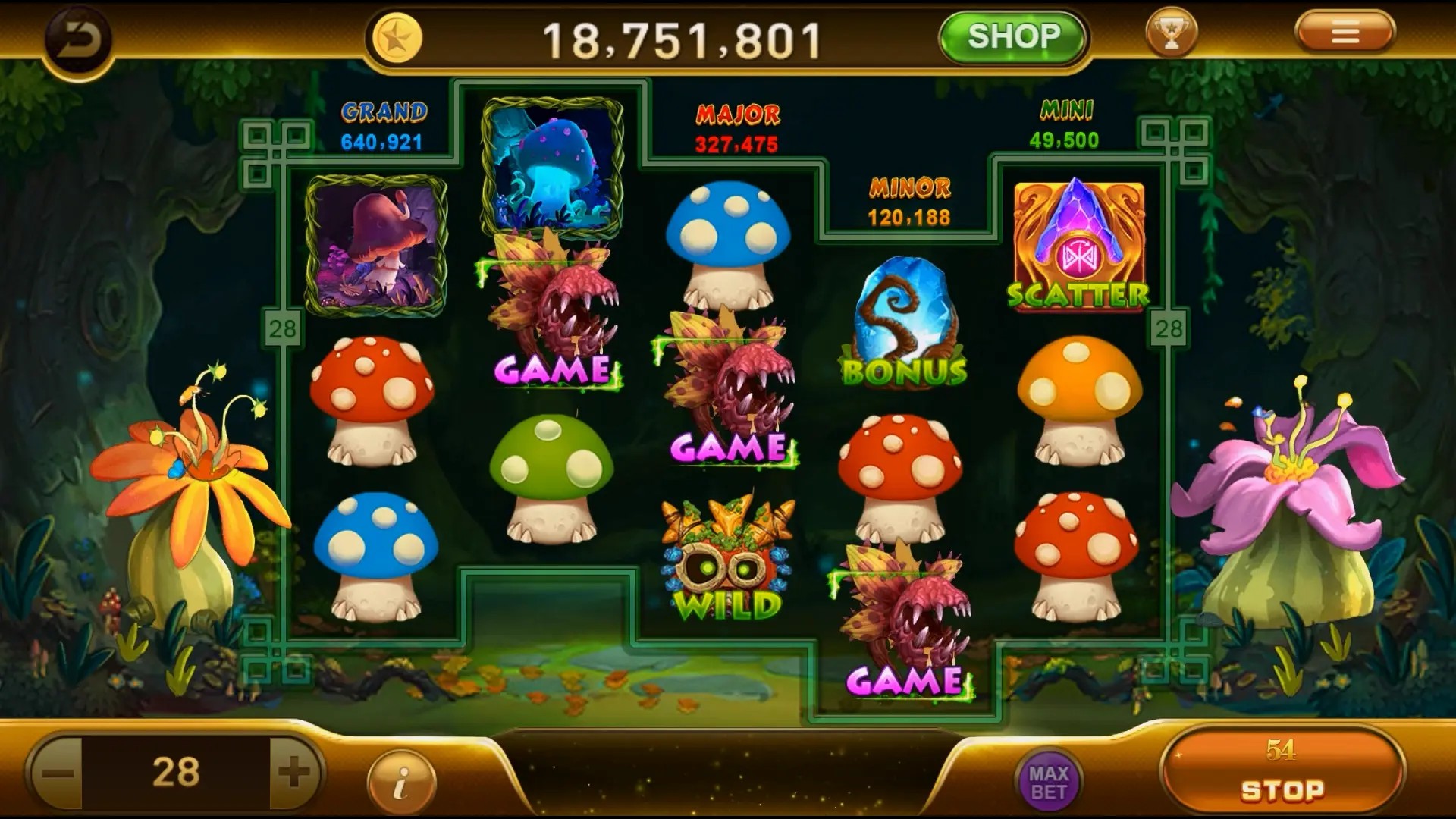
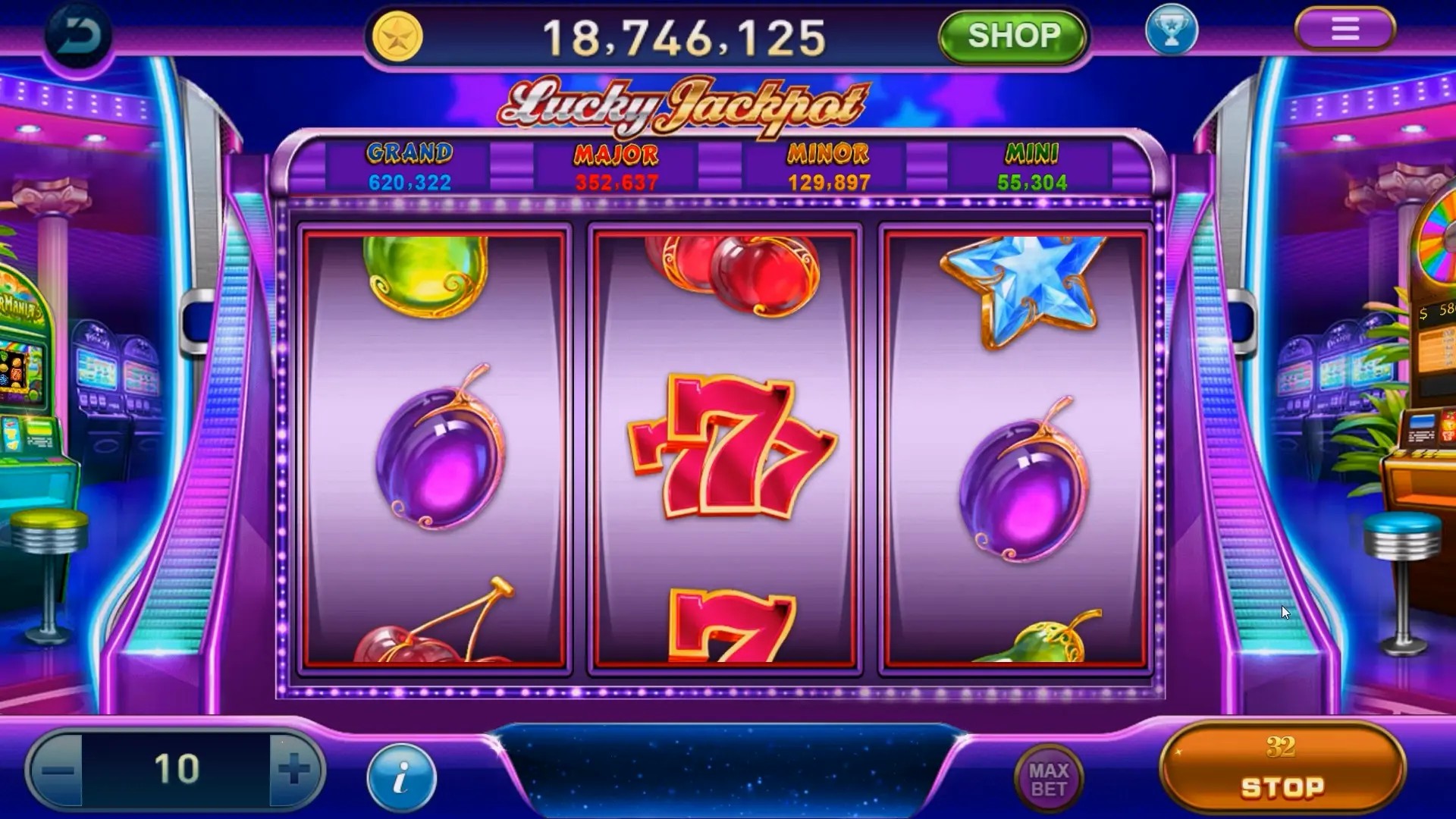
Casual gaming has flourished over the past decade, fueled by the proliferation of mobile devices and a growing acceptance of gaming among various demographics. These games often feature simple mechanics, short play sessions, and engaging design, making them easy to pick up and play.
- Accessibility
- Short play sessions
- Engaging design
- Wide demographic reach
Defining Casual Games
What exactly qualifies as a casual game? These titles usually emphasize fun over competition and are often free or low-cost. This accessibility helps break down barriers that might prevent potential players from engaging with more traditional games.
Casual Games and Indie Development
Indie developers have shifted their focus towards casual games because they require fewer resources compared to complex titles. The appeal is clear: developing a casual game can be less daunting while still enabling developers to make a significant impact.
Success Stories in Casual Gaming
Numerous indie titles have gained massive popularity in the casual gaming sphere. Games like "Flappy Bird" and "Candy Crush" skyrocketed in player engagement. These successes demonstrate that there's a lucrative market for indie developers willing to embrace casual game design.
Understanding Player Demographics
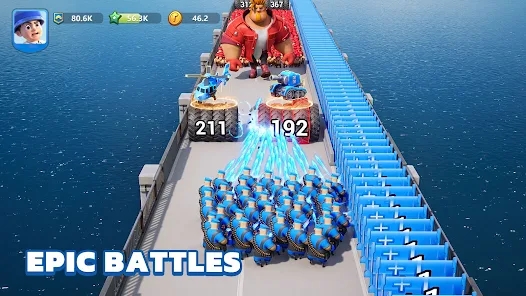
The typical player of casual games is varied. You'll find everyone from young children engrossed in mobile puzzles to adults enjoying light strategy games like "Town 9 Clash of Clans." This diverse player base allows indie developers to tap into numerous markets, ensuring a broader appeal for their creations.
The Economic Benefits of Casual Games
The economic landscape of gaming is shifting. Casual games, often free-to-play with monetization strategies like in-app purchases or ads, provide savvy indie developers with alternative revenue streams. This flexibility can mean the difference between success and failure in a competitive industry.
Marketing Strategies for Casual Games
Marketing for casual games differs significantly from traditional gaming marketing. Utilizing social media, influencers, and community engagement can help casual games gain traction. The nature of these games often lends itself well to virality, which can lead to explosive growth.
| Marketing Strategy | Description |
|---|---|
| Social Media Engagement | Using platforms like Twitter and Instagram to share updates and connect with players. |
| Influencer Partnerships | Collaborating with streamers and content creators to reach wider audiences. |
| Community Building | Encouraging player interaction through forums or Discord channels. |
Trends in Casual Game Design
As the market shifts, so does game design. Current trends focus on social interaction within games, using multiplayer elements to enhance engagement. Games are also designed to be more visually appealing, catering to the aesthetic preferences of players.
The Impact of Technology on Casual Games
Innovations in technology, such as improved graphics and faster devices, are enabling more sophisticated casual games. Platforms like Michael Weimer Delta Force continue to inspire new game mechanics that maintain accessibility without sacrificing quality.
The Role of Community Feedback
Indie developers thrive on community feedback. With casual games, this feedback loop can be invaluable, allowing for rapid iterations and updates based on player experiences. Understanding player needs can drive the development of future features and improvements.
Challenges Facing Casual Game Developers
Despite the benefits, creating successful casual games comes with its own set of challenges. Competition is fierce, with numerous similar titles vying for players' attention. Moreover, balancing monetization strategies while maintaining player enjoyment can be tricky.
Future Projections for Casual and Indie Games
Looking forward, it seems evident that casual games will continue to dominate the indie market. As technology advances, developers will have even more tools at their disposal to craft engaging experiences that resonate with players.
The Role of Collaboration
In an industry driven by passion and creativity, collaboration among developers can lead to innovative ideas. Whether through shared resources, joint ventures, or informal partnerships, collaboration enriches the gaming ecosystem.
Conclusion: Capturing the Future of Gaming
In summary, the future of indie games clearly lies in the domain of casual gaming. With increasing accessibility, evolving design trends, and expanding market reach, casual games are paving their own vibrant path forward. For indie developers, this is an exciting time filled with opportunities. By harnessing the potential of casual games, they can create experiences that are not only enjoyable but also economically viable.