Unlocking the Adventure: Why RPG Games Outshine Strategy Games in Player Engagement
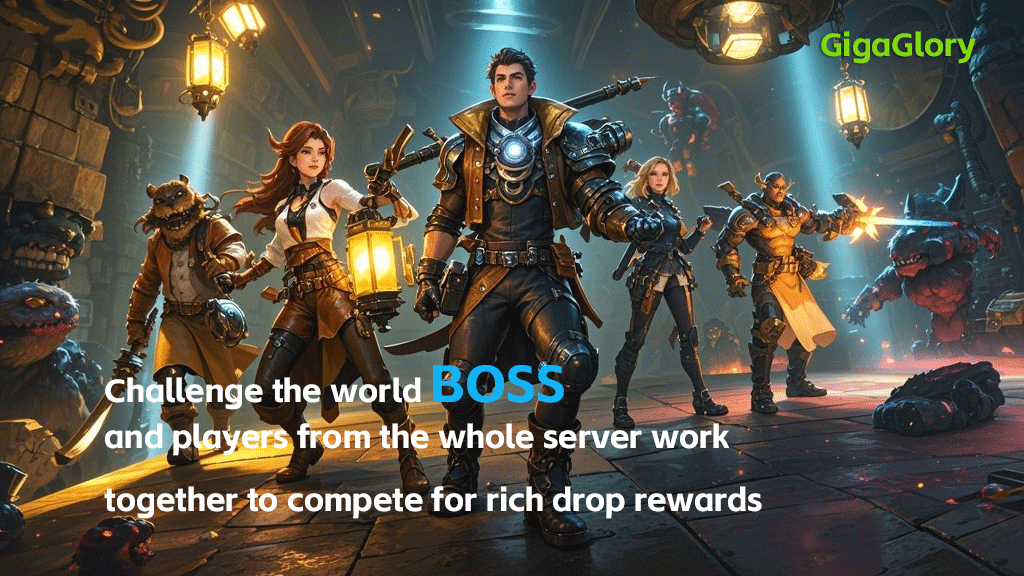
If you’ve ever dived into the vibrant worlds of RPG games, you know the thrill that comes from embarking on epic journeys filled with quests, characters, and rich narratives. But, have you ever wondered why these games dominate in player engagement compared to their more tactical counterparts, like strategy games? Let’s break this down and explore what makes an RPG tick in a way that makes players stick around longer than a refreshing soda in a summer heatwave.
Understanding Player Engagement
At the core of gaming, player engagement reflects how invested a player feels in the game world. Factors influencing this engagement include:
- Narrative Depth: RPGs often contain intricate storylines that players unravel over time.
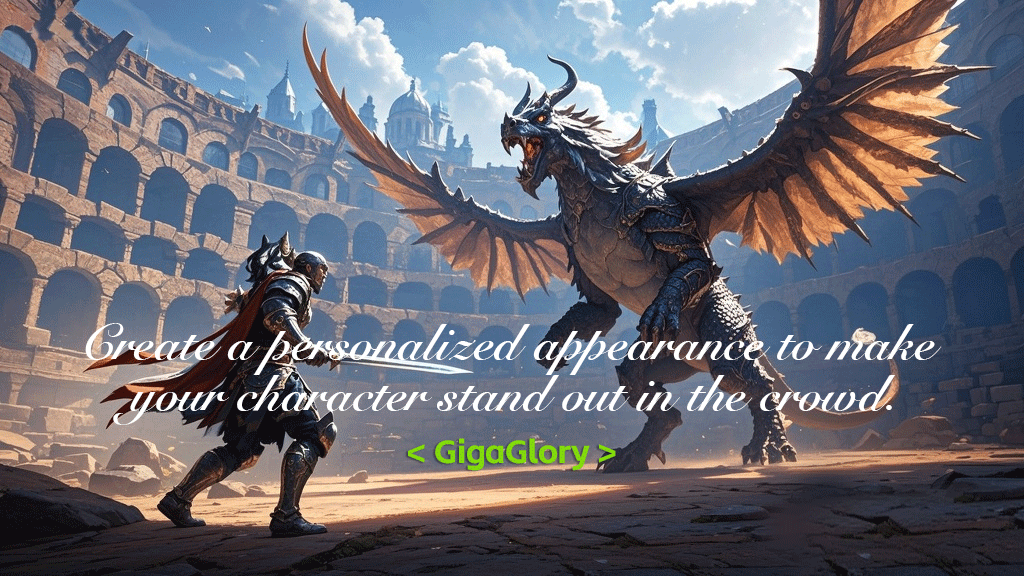
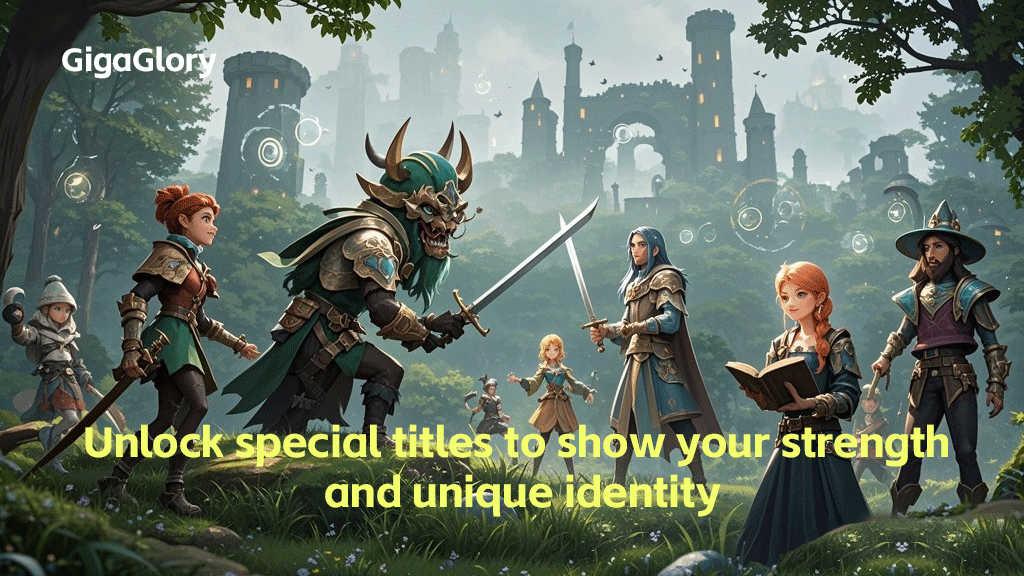
- Character Development: Players get to create and evolve their characters, fostering a sense of ownership.
- Immersive Environments: The fantastical settings pull players deeper, making them want to explore more.
- Community Interaction: Many RPGs have online modes or forums to create supportive communities.
On the flip side, strategy games often focus on planning, management, and tactics, which can be engaging but may lack the emotional connections that RPGs build. In simpler terms, where RPGs offer hearts, heads, and adventures, strategy games mainly provide calculated moves and triumphs.
Key Features of RPG Games
Let’s throw in a quick table to compare some standout features of RPG and strategy games:
| Feature | RPG Games | Strategy Games |
|---|---|---|
| Storyline | Complex and evolving | Minimal, often focuses on the mission |
| Character Creation | Customizable | Pre-defined or limited options |
| World Exploration | Richly detailed environments | Static, often grid-based |
| Player Choices | Significant impact on the story | Limited decision-making |
The Emotional Connection
Here’s the juicy part. An RPG pulls you in and lets you feel something. When you’re grinding through dungeons, battling dragons, or making moral decisions, you’re not just playing a game—you’re crafting your own adventure. The relationships you forge with NPCs (non-playable characters) can be thrilling, often touching that nostalgic spot in our hearts that echoes "remember when..."
Contrast this with many strategy games. Sure, winning a battle feels great, but do you have a personal connection with your commander or the troops? Probably not as much as your cookie-cutter hero in an RPG. The emotional depth of RPGs encourages players to invest time and energy, turning casual players into die-hard fans.
Exploring the 3DS RPG Games List
When chatting about RPGs, one cannot skip over the glorious lineup of 3DS RPG games. Titles like Fire Emblem Awakening, Bravely Default, and the Legend of Zelda series have captured hearts and elevated ratings. The 3DS was a platform that masterfully combined traditional RPG elements with innovation to push players further into compelling narratives.
Here’s a quick look at some top choices many players had:
- Fire Emblem Awakening
- Bravely Default
- The Legend of Zelda: A Link Between Worlds
- Pokémon X/Y
Conclusion: Why RPGs Reign Supreme
To wrap it all up, RPG games stand out due to their unparalleled depth, emotional resonance, and the sheer power of player agency. While strategy games have their charm and appeal, they often lack the core foundation of character and story that make RPGs appealing. The ability to craft your own journey, feel authentic connections, and immerse yourself in richly woven narratives is what keeps players coming back for more. The next time you load up a game, consider the experience you seek—are you looking for strategy, or are you ready to embark on an unforgettable adventure through the vibrant realms of RPGs? The choice is yours!